June 2026 Guide: Understanding Your Dating Patterns and Self-Awareness

Why Understanding Your Dating Patterns Matters for Healthy Relationships
Summer is here, and with warmer weather, longer days, and more opportunities to socialize, it’s the perfect time to reflect on your dating patterns. If you’re planning to date this season, now is an ideal moment to pause, recharge, and set new intentions for healthier, more fulfilling relationships.
Why We Are Drawn to Certain Types of People in Relationships
Attraction isn’t always about chemistry—it’s often about familiarity. Many of us gravitate toward certain “types” of people based on past experiences, family dynamics, and attachment styles we already know.
Reflection prompt:
What traits are you most attracted to?
What feels familiar about the people you choose?
By reflecting on these questions, you begin to notice patterns that may have been guiding your choices unconsciously. Awareness is the first step toward change.
Top 3 Steps to Identify Your Relationship Cycles
Some common dating patterns include pursuing emotionally unavailable partners or rushing too quickly into intimacy. Here’s a gentle framework to observe your cycles:
Observe Your Feelings
Pay attention to emotions that repeat in your relationships: excitement, frustration, anxiety, or disappointment.Notice Partner Traits
Identify recurring traits or behaviors in the people you’re attracted to.
Identify Your Responses
Reflect on how you usually react to these patterns. Do you chase, withdraw, or people-please? Awareness of your reactions is the first step to breaking repeating cycles.
Attachment Styles Explained: The Key to Healthy Dating
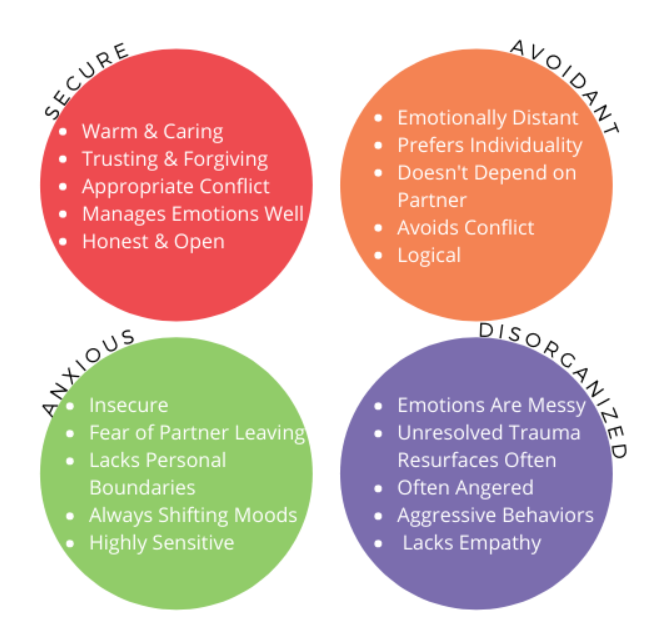
Attachment patterns influence how we connect, communicate, and choose partners. Here’s a simplified guide:
Secure: Comfortable with closeness and independence. You can communicate your needs, set boundaries, and enjoy intimacy without anxiety.
Anxious: Worries about rejection or abandonment. You may seek reassurance or feel uneasy when your partner isn’t fully available.
Avoidant: Keeps distance in relationships. Independence feels safer than closeness.
Disorganized (Fearful-Avoidant): Feels conflicted about closeness—sometimes craving connection, other times withdrawing out of fear. Relationships can feel unpredictable, and trust may be difficult to sustain.
Which of these patterns do you notice in yourself?
How might this show up in your relationships—through your choices, reactions, or the partners you’re drawn to?
Tip: Start noticing small patterns in your current or past relationships. Awareness is the first step toward conscious change and healthier connections.
Practical Summer 2026 Dating Tips for Singles
Low-Pressure Social Activities: Picnics, outdoor events, and group activities are natural ways to meet new people without pressure.
Set a Relationship Intention: Choose a goal for the month, like practicing patience, prioritizing communication, or noticing repeating patterns without judgment.
🌞 My Summer Dating Intentions 🌞
☐ Practice patience in new relationships 🕊️
☐ Notice repeating patterns without judgment 🔄
☐ Communicate my needs clearly 💬
☐ Try at least one low-pressure social activity 🍉
☐ Reflect weekly on my dating patterns 📝
☐ Celebrate small wins and self-awareness ✨
Summer Dating Reflection Exercise: Notice Your Patterns
This week, take a few quiet moments to reflect on your dating experiences. Ask yourself:
“What patterns keep showing up in my relationships, and what would I like to change?”
Even a small moment of awareness can spark meaningful insights and set the stage for healthier, more fulfilling connections.
To guide your reflection, you can use our Free Relationship Reflection Worksheet:
Take Action to Break Your Dating Patterns
Understanding your patterns is the first step toward creating healthier, more fulfilling relationships. By noticing repeating cycles, you empower yourself to make conscious choices rather than repeating old habits.
If it’s been a while since your last session, now is the perfect time to explore your patterns together.