Understanding Emotional Triggers in Relationships: When the Past Affects the Present

Have you ever had a reaction in a relationship that felt bigger than the situation itself?
Maybe your partner didn't respond to a message for several hours, and you suddenly felt rejected or anxious. Maybe a change in someone's tone made you feel hurt or unsafe. Or perhaps a small disagreement quickly turned into anger, fear, withdrawal, or defensiveness.
You may have found yourself wondering:
“Why did that affect me so much?”
Sometimes, our emotional responses are connected not only to what is happening in the present, but also to experiences we have had in the past.
Understanding emotional triggers in relationships can help us become more aware of our reactions, understand our relationship patterns, and create more space to respond differently.
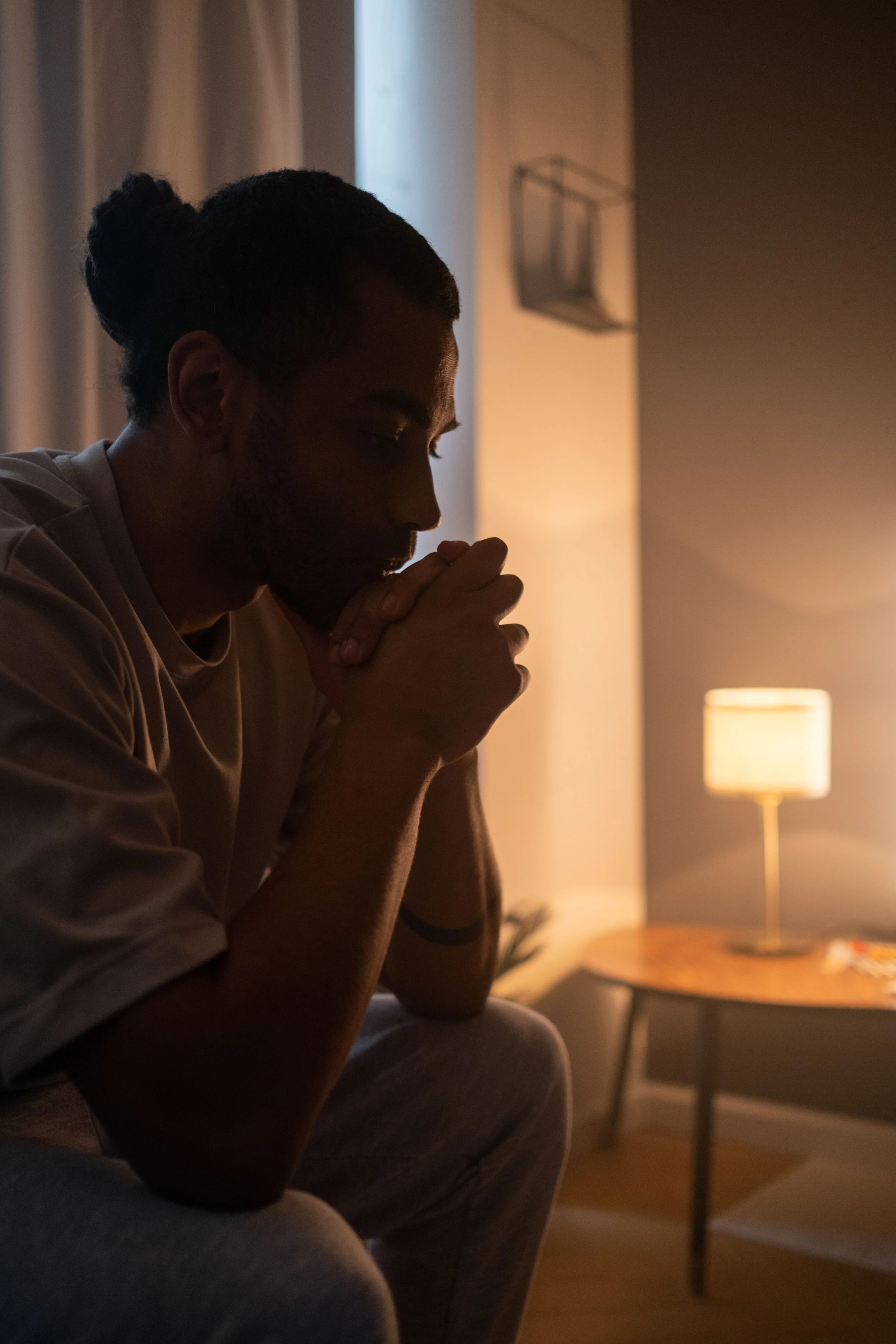
What Is an Emotional Trigger?
An emotional trigger is something in the present that brings up a strong emotional or physical response.
Triggers can be connected to many different experiences. You might feel triggered by:
Feeling rejected or ignored
Conflict or criticism
Feeling misunderstood or dismissed
Separation or distance from someone you love
Situations that remind you of difficult past experiences
Being triggered doesn't mean that you're overreacting or that something is wrong with you.
Your feelings are real.
At the same time, the intensity of a reaction may sometimes be connected to more than what is happening in the moment.
A Relationship Trigger Example
Imagine that your partner doesn't respond to your text for several hours.
You might begin to feel anxious:
“Are they upset with me?”
“Do they not care?”
“Why aren't they responding?”
The situation itself may be relatively simple. But the emotional response can feel much bigger.
Perhaps you've experienced rejection, abandonment, inconsistency, or emotional disconnection in the past. Your nervous system may recognize something that feels familiar—even if the current situation is different.
This doesn't mean your reaction is “wrong.”
It may simply be worth getting curious about where the reaction is coming from.
Is This About the Present—or the Past?
When we're emotionally activated, it can be difficult to separate what is happening right now from what our past experiences have taught us to expect.
Try pausing and asking yourself:
“What am I feeling right now?”
“What is actually happening?”
“Does this situation remind me of something from my past?”
You don't need to immediately figure everything out.
Sometimes awareness begins with simply noticing:
“This feels bigger than I expected.”
That pause creates space between the trigger and the response.
And that space can give us an opportunity to choose how we want to respond.

How Emotional Triggers Can Affect Relationships
Unrecognized triggers can sometimes contribute to repeating relationship patterns.
For example, someone who fears rejection may seek frequent reassurance. Someone who has learned to protect themselves emotionally may withdraw during conflict. Someone who has experienced unpredictable relationships may become especially sensitive to changes in communication.
These responses can make sense in the context of our experiences.
But when they continue to affect our relationships today, it can be helpful to become curious about the pattern.
This is one reason relationship therapy and couples therapy can be helpful. Therapy can provide a space to understand what's happening beneath recurring conflict, communication difficulties, emotional distance, or relationship anxiety.
Emotional Safety in Relationships
Emotional safety doesn't mean that a relationship will never have conflict or difficult conversations.
Instead, emotional safety involves being able to express feelings, needs, and boundaries while experiencing respect and care.
Consider asking yourself:
Can I express my feelings without fear of rejection?
Can I set boundaries?
Can we talk about difficult topics without shutting down?
Do I feel heard and respected?
Can we repair after conflict?
Both people contribute to emotional safety.
Healthy relationships allow room for vulnerability, boundaries, honest communication, and differences in perspective.
If you're experiencing ongoing relationship conflict or struggling to communicate with your partner, couples therapy can provide support in understanding these patterns and developing healthier ways of relating.

Trauma and Emotional Triggers
Not every emotional trigger is related to trauma.
However, traumatic or deeply distressing experiences can affect how we respond to situations that remind us of the past.
Sometimes an experience doesn't have to be an exact repeat of something that happened before. A tone of voice, feeling of rejection, loss of control, conflict, or emotional distance may be enough to bring up a strong response.
Trauma therapy can provide a safe and supportive space to explore these experiences, understand how they may be affecting the present, and develop strategies for coping with difficult emotional responses.
Healing doesn't require forgetting what happened.
It can involve developing a greater sense of safety and choice in how you respond today.
Self-Regulation and Co-Regulation
When emotions become overwhelming, we may need ways to help ourselves feel grounded.
Self-regulation means using your own resources to manage difficult emotions. This might include:
Taking a walk
Journaling
Slow breathing
Taking some quiet time
Noticing what you're experiencing in your body
Co-regulation happens when another person helps us feel safe and supported.
This might look like someone listening without immediately trying to fix the problem, offering reassurance, or simply staying present with you.
Sometimes we need to ground ourselves.
Sometimes we need connection.
Both are important.

What Can You Do When You Feel Triggered?
You don't have to solve everything in the moment.
Try these simple steps:
Pause.
Give yourself a moment before reacting.
Breathe.
Take a slow breath and notice what you're feeling.
Name it.
“I feel hurt.”
“I feel anxious.”
“I feel rejected.”
Check in.
Ask yourself:
“What is happening right now, and what do I need?”
Creating a little space can help you respond rather than react.
When Relationship Patterns Feel Difficult to Change
Sometimes we understand our patterns but still struggle to change them.
You may recognize that you become anxious when someone pulls away. You may notice that you shut down during conflict. You may find yourself repeating similar relationship patterns despite wanting something different.
Awareness is an important first step, but you don't have to figure everything out on your own.
Therapy can provide a space to explore relationship patterns, emotional triggers, attachment, trauma, grief, separation, and major life transitions in a way that feels supportive and manageable.
If you're navigating the end of a relationship, breakup or divorce support can also help you process the emotional impact of separation, understand recurring patterns, and move forward.
And sometimes relationship triggers are connected to grief and loss. Previous losses can influence how we experience closeness, separation, change, and the fear of losing someone again. Grief therapy can provide space to process these experiences.
A Few Questions to Reflect On
Take a moment to consider:
What situations tend to bring up strong emotions for me?
Do I notice patterns in how I respond to conflict, distance, or rejection?
Does anything happening in my relationships remind me of past experiences?
What do I need when I feel emotionally overwhelmed?
What would emotional safety look like for me?

A Final Thought
Our past experiences can influence how we experience relationships today, but they don't have to determine how every relationship unfolds.
The goal isn't to stop having strong emotions.
It's to become more aware of them, understand what they may be communicating, and develop healthier ways to respond.
The next time something feels bigger than expected, try asking yourself:
“What is this moment bringing up for me?”
Sometimes, simply pausing and becoming curious about our emotions can be the beginning of responding differently.
Looking for Support?
If you're struggling with emotional triggers, relationship patterns, trauma, grief, or a major relationship transition, support is available.
Explore our therapy services to learn more about how we can help.